
Rocky Mountain Eye Center’s current, eight board certified ophthalmologists diagnose, treat and help to prevent diseases of the eye. Our ophthalmologists complete annual eye examinations, perform surgical procedures, assist in specific areas of eye care and prescribe eyeglasses and contact lenses. Rocky Mountain Eye Center is Southeastern Colorado’s only LASIK surgery center. Our nine optometrists are available to assist with your family’s optometric needs. We have a trained optical staff who can provides assistance with the variety of eye care products available at any one of our optical shops.
Our doctors treat eye diseases such as diabetic eye disease, glaucoma, cataracts, macular degeneration along with other common or unique eye conditions. Other common eye conditions and diseases that our doctors treat regularly include dry eye syndrome, corneal and external disease, vitreoretinal disease, pediatric ophthalmology and oculoplastic conditions.
At Rocky Mountain Eye Center, we are here to provide the best possible care in a patient-centered environment. As a practice, our doctors have committed substantial resources to stay abreast of and utilize the latest technology to help you to see better. As you browse through our web site, we hope you will become acquainted with the complete range of services that we offer.
As a convenience to our patients, Rocky Mountain Eye Center has offices in various locations throughout Southern Colorado and Northern New Mexico.

We are proud of our team and the relationships that we maintain with all of our patients. Our compassionate, innovative, and experienced team will always be there for you.
We provide exceptional care for patients. Every step of the way to answer your questions, make sure you have a relaxing visit, and provide you with the best eye care possible.
With 12 locations you can select what eye center makes the most sense for you!
Are you seeking LASIK eye surgery in Pueblo or Colorado Springs regions. Please feel free to contact us or schedule a FREE LASIK eye surgery evaluation. Come find out why millions of people have had LASIK surgery and what the potential benefits could be for your lifestyle. Imagine being able to just wake up and see without the hassles of glasses and contacts.
learn moreCataract surgery has had major advancements over the past 50 years. Once a cataract form in your eye it will need to be surgically removed. During cataract surgery, your cloudy natural lens is removed and replaced with a clear artificial lens. If you are seeking a cataract surgeon and want options for better vision our experts are here to help.
learn moreFrom start to finish I always have a good experience here. When I had to go through optical to buy glasses they were more than helpful. They were patient and helping me find the perfect pair. It was a good time and fun people to deal with! Thank you RMEC!! You’re the best!
-Luna G.
All of the staff at Rocky Mountain Eye Center are top notch - professional and personable. Dr. Paul D. Rastrelli is exceptional in skill! I would recommend him to everyone, especially if one needs cataract surgery. He makes patients feel safe and comfortable. He is special. I highly recommend Rocky Mountain Eye Center.
-Sally K.
I was pleasantly surprised by the service. The staff was friendly and attentive and professional. The doctor was very thorough and took the time to explain in layman’s terms what was going on in my eyes and what needed to be done. There was patience by everyone and a willingness to help. I’m really happy with them.
-Kristine R.
Everyone from start to finish was polite and very helpful. Being a first time glasses buyer, they explained everything to me and helped me make educated decisions. Thank you.
-Shane H.
Fast, thorough check-ups, consideration for individual needs, and a welcoming staff are the norm at RMEC. Highly recommend!
-M.W.
They have very high standards, excellent service. I have never had such perfect vision with new lenses after testing! I would highly recommend these people to anyone wearing glasses.
-Sharole E.
Do you wish you didn’t have to depend on visual aids? Do you wonder if there could be a better solution? Although LASIK is the most well-known for vision correction procedures, it’s only suitable for some. You have to qualify as a good candidate for the procedure to undergo it. You may not be a… Read More
When you live in Pueblo, you may suddenly be very popular with your out-of-town family and friends. With its beautiful mountain views and vibrant community life, you will have many enthusiastic visitors year-round! Entertaining out-of-towners in Pueblo can be even more enjoyable when you choose a permanent vision correction procedure like LASIK. After LASIK, you’ll… Read More
If you don’t wear visual aids or have not had previous issues with your vision, you may have pushed scheduling an eye exam to the bottom of your “To Do” list. While an eye exam can seem like a low priority if your eyes feel healthy and your vision is clear, scheduling an eye exam… Read More
27 Montebello Road
Pueblo, CO 81001
Mon - Fri: 7:30 am - 5 pm
Sat: 7:30 am - 12 pm
Optical Hours: 8am - 5pm
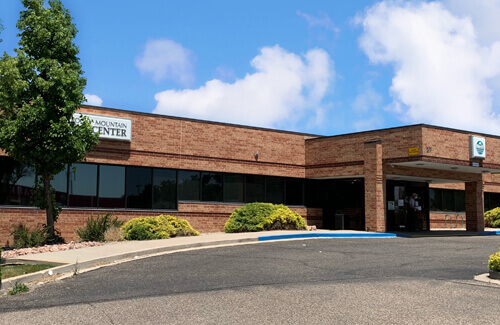
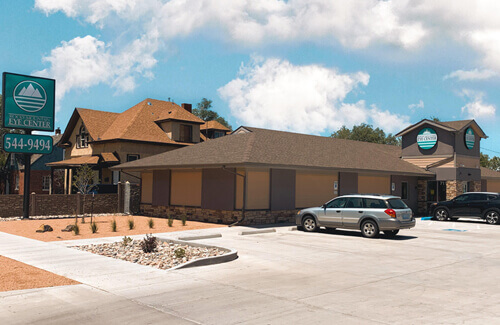
3954 Sandalwood Ln
Pueblo, CO 81005
Business hours vary. Please call office for more information.
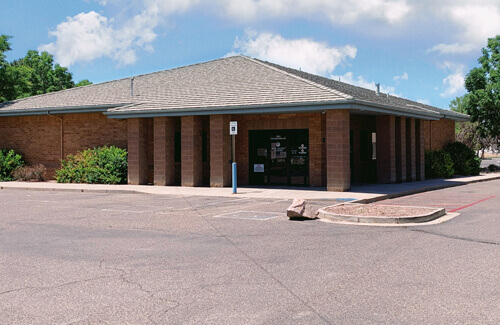
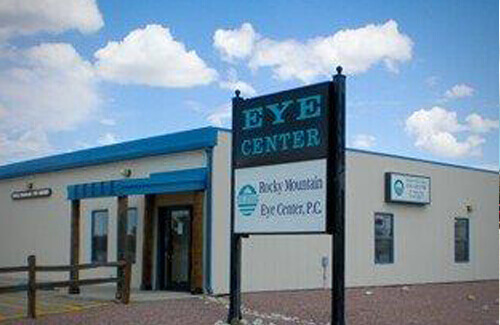
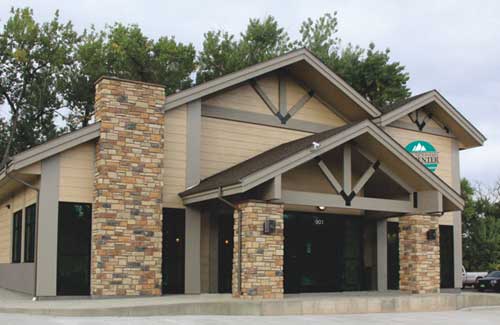
901 Sells Avenue
Cañon City, CO 81212
Business hours vary. Please call office for more information.
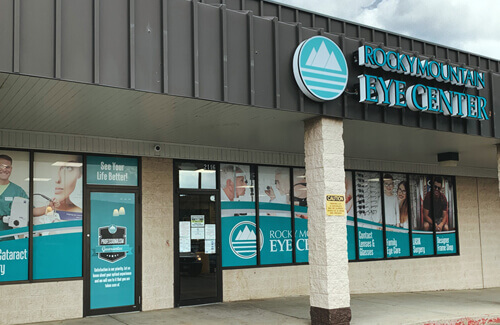
1402 Fortino Boulevard
Pueblo, CO 81008
Mon - Thurs: 7 am - 4:30 pm
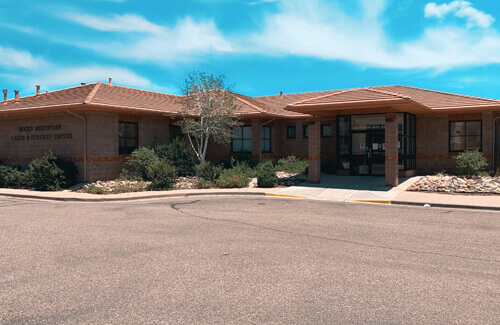
7162 County Rd 154, Unit B
Heart of the Rockies Regional Medical Center
Salida, CO 81201
Mon - Fri: 8 am - 5 pm
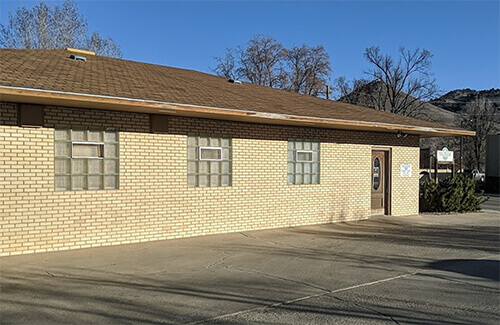
2116 Freedom Road
Trinidad, CO 81082
Business hours vary. Please call office for more information.


.png)